Water Cooler Market: The Cheapest Growth Is a Second Machine in a Building You Already Serve
By Zenith Water Dispense Team ·
Most water cooler operators measure growth by new placements. The cheapest revenue in the market is the second machine in a building they already serve. Here is why expansion inside existing accounts, more than unit count, is the number that decides value.
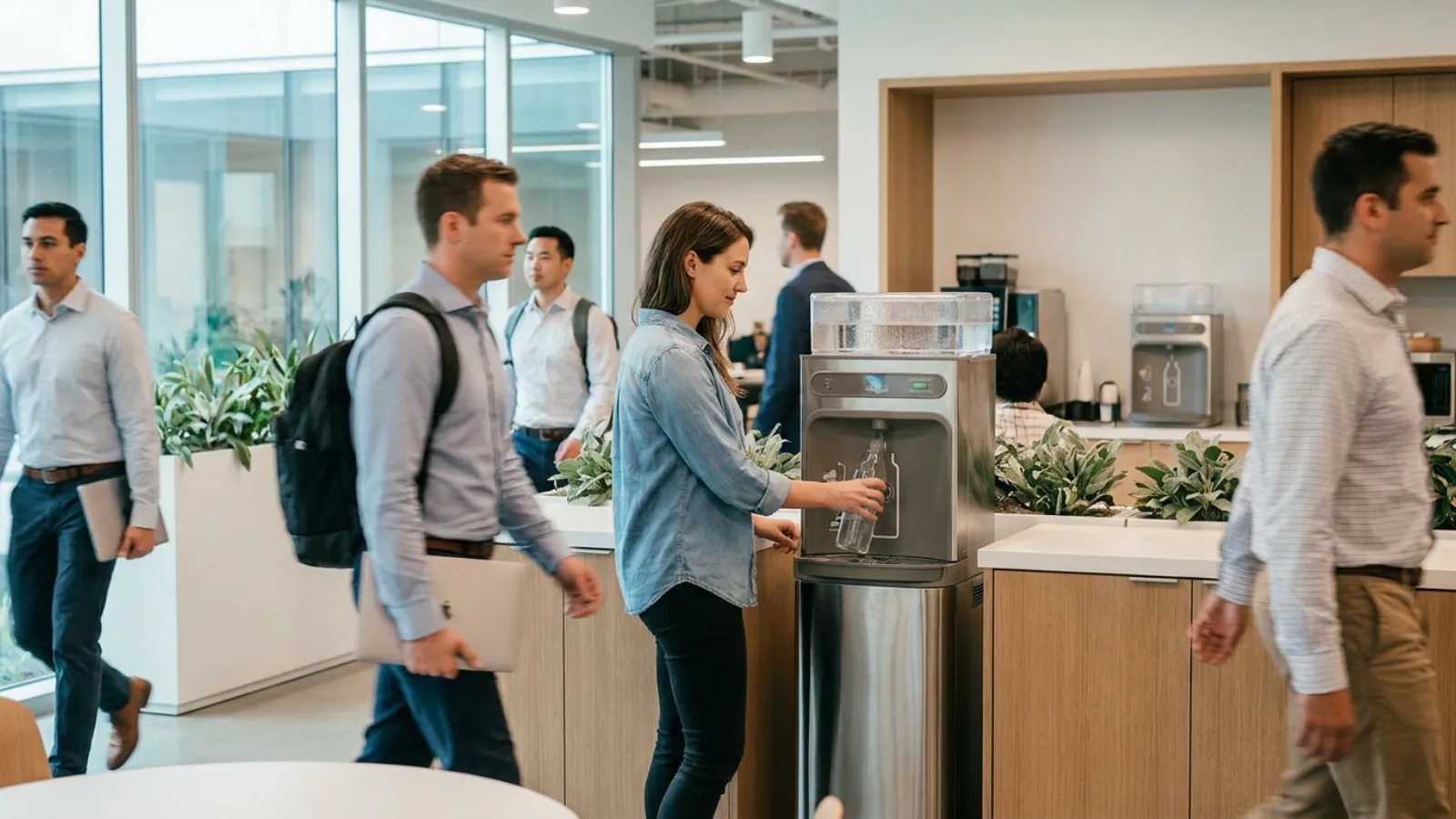
Ask a water cooler operator how they grew last year and you get one number: new placements. How many coolers went out the door. It is the wrong number to lead with.
The cheapest revenue in this market is the second machine in a building you already serve. A van already stops there. An engineer already visits. The customer already trusts the brand and pays one invoice. Adding a second cooler, or upgrading the one on the wall, costs almost nothing to win and nothing extra to deliver.
The metric water dispense forgets to track
Software companies live by one figure: net revenue retention. It asks a simple question. Take the customers you had a year ago. Are they paying you more today, or less? If they buy more over time, revenue grows with zero new sales.
Water dispense rarely measures this. Operators count units and net adds. A net unit number hides the two things that decide value: how much existing accounts grow, and how fast they leave. Two operators can add the same units in a year. One is winning new logos to cover churn. The other is expanding inside loyal accounts. They are not worth the same.
Why expansion is the best revenue you can book
New-logo growth carries a cost most operators never fully count. It takes sales time and a survey visit, and every new stop thins out van density. Expansion revenue skips all of that, so almost every pound of it drops to margin.
Expansion in water dispense is easy to picture. A second or third cooler as a company fills its offices again. An upgrade from a plain cooler to an instant tap with hot and sparkling water (ITS, or instant tap systems). More bottles as headcount rises. A filter or hygiene upgrade added on the next service visit. That service visit is the quietest sales call in the business, and most operators waste it. The engineer is already on site, already trusted, and holding the one moment the customer thinks about their water.
The numbers already point here
The market leader shows the prize. Culligan and Waterlogic, now combined, serve more than 120,000 companies, including over 75% of the Fortune 500 (company figures). Its cheapest next sale is a second unit in a building it already fills. Bevi, which recently passed $100 million in revenue, grows the same way, with a connected machine that sells more drinks per placement over time.
Zenith Global Commercial's database, which tracks pricing, fleet development and revenue mix across more than 30 markets, shows the pattern from the other side. Across Europe, dispense revenue has been growing faster than unit counts. That gap is expansion. Existing placements earn more each year through upgrades, added features and price. The markets with the lowest cancellation rates, led by Germany, throw off the most expansion, because accounts stay long enough to buy more. The high-churn, price-sensitive markets leak the base before it can grow.
This is exactly why our consulting work rarely starts with a machine count. We start with the accounts a business already holds, and ask a plainer question: are they worth more this year than last? A rising answer means the base is compounding on its own. A falling one means the sales team is running to stand still. It buys new logos just to replace the money walking out the door.
What a buyer should ask
A unit count answers the wrong question in a data room. The number that separates a platform from a treadmill is net revenue retention: revenue from last year's accounts, measured again this year. Above 100%, the book grows even if the sales team signs nobody new. Below it, every new logo is filling a leak. Two operators with identical fleets and identical net adds can sit on opposite sides of that line.
Where bottled coolers still fit
Bottled coolers (BWD, or bottled water dispense) expand too. A fuller office or a hot summer lifts bottle volume, and that is real money. Bottled still does a job no tap can where there is no mains supply: factories, building sites, events, backup. Volume-led expansion rides the weather and the headcount. A contracted second unit or a feature upgrade holds through a cool year. One is a bet. The other is an annuity.
The operators who compound value from here treat their own customer base as the first place to grow. Measure expansion, arm the service visit, and a flat unit count can still sit on strong revenue growth. For buyers, one question now matters more than the machine count: how much is last year's book worth today?
📊 See where growth is real and where it is a treadmill
Zenith's market reports break down each country by revenue mix, channel split, churn and fleet development, so you can tell expansion growth from new-logo growth before you price a book.